
What Actually Happens During a Phoenix Home Appraisal? A Seller's Guide
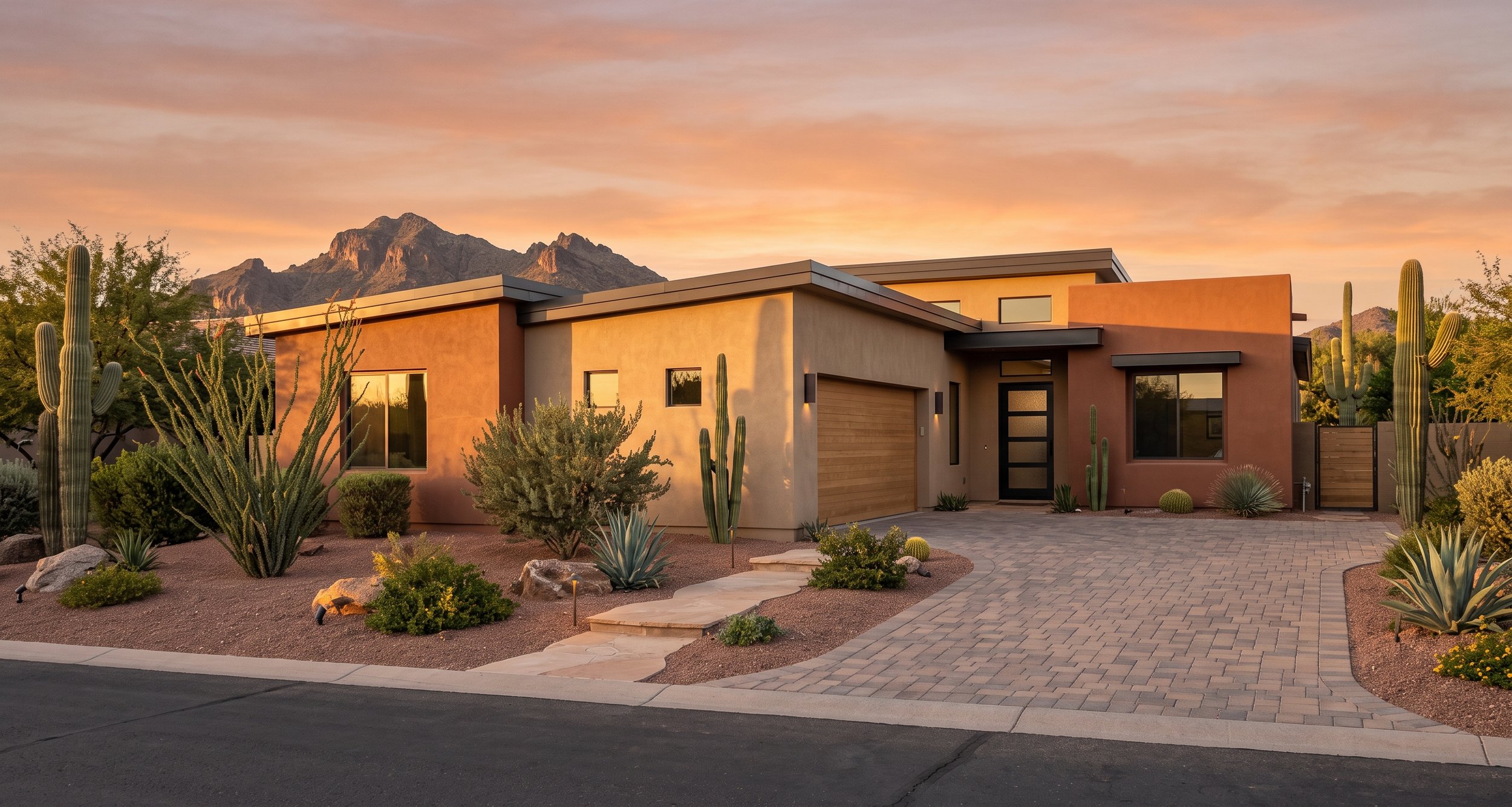
Thinking of selling your Phoenix home? Here's what really happens during a home appraisal, what affects value, and how sellers can best prepare for it.
Of all the steps between accepting an offer and closing, the appraisal is the one that makes most Phoenix sellers nervous. You've already negotiated a price, maybe even started packing boxes, and now a stranger is coming to walk through your home and decide whether the bank agrees with what your buyer offered.
The good news is that appraisals aren't as mysterious as they feel, and there's a fair amount you can do to make sure yours goes smoothly. Here's what the process actually looks like, and how to get ready for it.
WHAT A HOME APPRAISAL ACTUALLY IS
An appraisal is an independent, licensed professional's estimate of what your home is worth on the open market. It isn't the same as a home inspection, which looks at the condition of systems like plumbing, roofing, and electrical. An appraiser is focused on value: square footage, lot size, condition, upgrades, and how your home compares to similar homes that have recently sold nearby.
Lenders require an appraisal before approving a mortgage because they're the ones putting up the money. They want to know the home is worth at least what the buyer is borrowing.
WHO ORDERS IT, AND WHO PAYS
The buyer's lender orders the appraisal, but the buyer typically pays for it as part of their closing costs, usually a few hundred dollars. As the seller, you don't choose the appraiser and you're not allowed to speak with them about value by law, but you do need to grant access for the appointment, which usually takes thirty to sixty minutes.
WHAT THE APPRAISER IS ACTUALLY LOOKING AT
During the walkthrough, the appraiser will take photos and measurements, note the condition of major systems, and look at upgrades like a remodeled kitchen or a newer HVAC system. They're also accounting for things you can't change, like lot size, layout, and proximity to amenities.
Then comes the bigger piece of the puzzle: comparable sales, or "comps."
HOW COMPS WORK IN PHOENIX NEIGHBORHOODS
Appraisers lean heavily on recent sales of similar homes nearby, usually within the last three to six months and within a mile or so, though that radius stretches in lower-density areas. This is one reason home values can vary so much block to block across the Valley. A three-bedroom ranch in Moon Valley with mountain views will appraise differently than a similar floor plan in a newer Ahwatukee subdivision, even if the square footage is nearly identical, because the comps pull from different pools of sales.
This is also why pricing a home correctly from the start matters so much. A home that's priced well above recent comps in its own pocket of Phoenix, whether that's near downtown, in Arcadia, or out toward the Scottsdale border, puts the appraisal at risk before it's even scheduled.
WHAT HAPPENS IF THE APPRAISAL COMES IN LOW
A low appraisal doesn't automatically kill a deal, but it does require a decision. Buyers can bring extra cash to cover the gap between the appraised value and the purchase price, sellers can agree to reduce the price, or both sides can split the difference. In some cases, the buyer's agent can request a reconsideration of value if there's evidence the appraiser missed a relevant comp or overlooked an upgrade. None of these options are automatic, which is why it helps to have an agent who's tracking the comps in your specific pocket of Phoenix before you ever list.
HOW SELLERS CAN PREPARE
You can't control the comps, but you can control how your home shows up on appraisal day. Make sure the appraiser has easy access to the attic, garage, and any areas with mechanical systems. Have a list ready of any permitted improvements, with dates and rough costs, since appraisers can't give credit for upgrades they don't know about. Basic cleanliness and curb appeal matter more than people expect. A tidy, well-lit home photographs and presents as better-maintained, and that impression can nudge an appraiser's judgment calls on condition.
FINAL THOUGHTS
An appraisal can feel like the one part of selling a home that's completely out of your hands, but a lot of the outcome is set long before the appraiser ever shows up, starting with how the home was priced and marketed in the first place. Working with a local agent who knows the comps in your specific neighborhood, whether that's Arcadia, Tempe, or anywhere else in the Valley, is the best way to walk into appraisal day with confidence instead of anxiety. If you're thinking about selling and want a realistic read on where your home would likely land, that's a conversation worth having before you ever put up a sign.