
Navigating Phoenix's dynamic real estate landscape requires cutting through broad metro headlines to understand hyper-local street-level values. Whether you are looking for your first home, scouting an assumable mortgage opportunity, relocating for work, or wintering in the Valley of the Sun, local pricing varies significantly from one pocket of the city to another.
Direct Answer for Buyers & Relocators:
As of late 2026, the average home price in Phoenix sits at approximately $630,000 to $650,000, while the citywide median sale price is approximately $485,000 to $490,000. The Phoenix market currently has 3.6 months of inventory, with homes averaging 45 to 60 days on the market (DOM) and selling at a 97.8% to 99% sale-to-list price ratio.
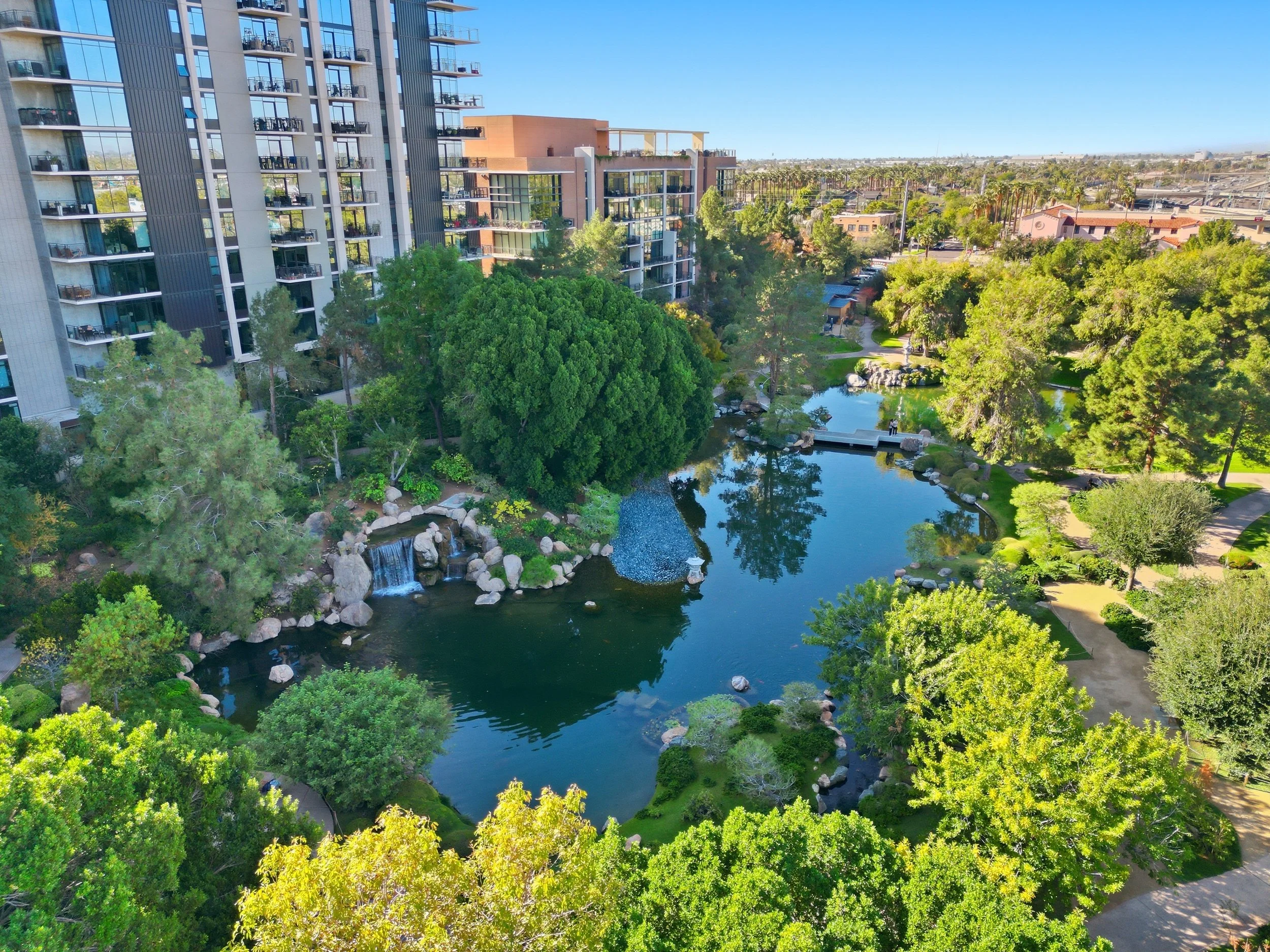
Phoenix Real Estate Key Metrics at a Glance
The gap between Phoenix's average price and median price highlights the influence of luxury enclaves across the East Valley and Paradise Valley corridor.
Median Sale Price: ~$489,000
Average Sale Price: ~$635,000
Average Price per Square Foot: ~$275 – $315 per sq. ft.
Months of Inventory (Absorption Rate): 3.6 months (Balanced to slight seller advantage)
Average Days on Market (DOM): 52 days
Sale-to-List Ratio: 98.2%
(Authoritative benchmark data cross-referenced with the Arizona Regional Multiple Listing Service (ARMLS) and the Federal Reserve Bank of St. Louis (FRED)).
Neighborhood Price Snapshot: Phoenix by the Numbers
Phoenix covers more than 500 square miles, creating distinct price bands depending on age of construction, school access, and proximity to scenic mountain preserves.
North Phoenix
Median Sold Price: $510,000
Average Sold Price: $580,000
Average Price per Square Foot: $285
Profile: Master-planned communities, newer construction, popular with suburban relocations.
Moon Valley
Median Sold Price: $740,000
Average Sold Price: $845,000
Average Price per Square Foot: $320
Profile: Mid-century ranch homes, golf course views, move-up buyers and retirees.
Central Phoenix (CenPho)
Median Sold Price: $495,000
Average Sold Price: $615,000
Average Price per Square Foot: $305
Profile: Historic character, restored bungalows, walkable dining corridors.
Downtown Phoenix
Median Sold Price: $525,000
Average Sold Price: $595,000
Average Price per Square Foot: $355
Profile: High-rise condominiums, live-work lofts, first-time buyers and urban professionals.
The Biltmore Area
Median Sold Price: $795,000
Average Sold Price: $1,650,000
Average Price per Square Foot: $460
Profile: Gated golf villas, luxury estates, second-home owners and snowbirds.
Deep Dive into Phoenix’s Top Neighborhoods
1. North Phoenix: Growth Corridors & Family Living
North Phoenix offers master-planned subdivisions, top-rated schools within the Paradise Valley and Deer Valley Unified School Districts, and quick access to the Loop 101 and I-17 corridors. The development of major employment anchors—notably Taiwan Semiconductor Manufacturing Company (TSMC) near Desert Sky and Sonoran Foothills—has supported steady buyer demand. Single-family homes here offer modern construction, community parks, and lower maintenance requirements.
Scott Bryant’s Personal Take:
In my experience showing homes in North Phoenix, buyers are getting noticeably more square footage per dollar compared to the East Valley, but competition remains stiff for move-in ready properties under $550k. If you are open to communities slightly west of the I-17, you can often negotiate seller concessions to buy down your mortgage rate.
Explore available inventory directly via our guide [CLICK HERE].
2. Moon Valley: Established Golf Community Charm
Tucked between the Lookout Mountain and North Mountain preserves, Moon Valley is known for tree-lined streets, generous 1960s-to-1980s ranch floorplans, and the Moon Valley Country Club. Unlike cookie-cutter subdivisions, lots here frequently exceed a quarter-acre with no strict master HOA fees on many streets.
Prices skew higher due to strong retention and limited turnover. Snowbirds and second-home owners appreciate the neighborhood's quiet streets, scenic ridgeline backdrops, and proximity to scenic hiking trails.
3. Central Phoenix (CenPho) & Midtown: Historic Architecture Meets Local Dining
Central Phoenix (stretching from Camelback Road south to Thomas Road along Central Avenue) features recognized historic districts like Willo, Encanto-Palmcroft, and Medlock Place. Prices range widely: a turn-of-the-century bungalow can command upwards of $400 per square foot, while un-renovated 1950s post-war builds sit closer to median city levels.
Commuters benefit from the Valley Metro Light Rail line, direct access to St. Joseph's Hospital and Medical Center, and popular local dining along the 7th Street and 7th Avenue "Curve" corridors.
4. Downtown Phoenix: Urban Condos & Walkable Entertainment
Downtown Phoenix has transitioned from a purely commercial district into a vibrant, residential center centered around Roosevelt Row (RoCo), Footprint Center, and Arizona State University’s Downtown Campus.
Residential real estate here consists primarily of mid-rise and high-rise condominiums, converted industrial lofts, and historic pockets. While the average square footage is smaller, the price per square foot remains among the highest in the city. Downtown appeals strongly to first-time buyers seeking lower-maintenance properties and snowbirds who prioritize a walkable lock-and-leave lifestyle.
5. The Biltmore Area (Camelback Corridor): Iconic Luxury & Resort Lifestyles
Framed around the historic Arizona Biltmore Resort, this submarket is a premier luxury address. The housing stock consists of multi-million dollar hillside estates, private gated golf villas, and upscale townhome communities along Camelback Road.
The average price in the Biltmore is heavily skewed by ultra-luxury sales, though patio homes and condos offer entry points starting around $500,000 to $700,000. Snowbirds gravitate toward the manicured golf courses, proximity to Biltmore Fashion Park, and 15-minute drives to Phoenix Sky Harbor International Airport.
Scott Bryant’s Personal Take:
The Biltmore corridor behaves almost entirely separate from the rest of the city. While overall Phoenix inventory sits near balanced levels, luxury Biltmore inventory carries longer marketing times, giving well-capitalized cash buyers and snowbirds significant room to negotiate price drops and repair credits.
Strategic Financing: Using Assumable Mortgages in Phoenix
With mortgage rates influencing buying power, FHA and VA loan assumptions have emerged as an attractive financing path across the Valley.
What is an assumable loan? A buyer assumes the seller's existing mortgage terms, including its original interest rate—which may be between 2.75% and 4.25% from prior origination cycles.
The Equity Gap: If a seller owes $320,000 on a home selling for $500,000, the buyer must bridge the $180,000 difference using cash down or a second piggyback loan.
Where to look: North Phoenix and peripheral suburbs built between 2015 and 2021 hold a high concentration of government-backed FHA and VA loans.
If you are exploring this option, verify processing timelines early, as mortgage servicers can take 60 to 90 days to close an assumption transaction.
What Determines Your Real Homeownership Costs in Phoenix?
When calculating your monthly budget beyond the listing price, account for these regional factors:
Property Taxes: Maricopa County’s effective residential property tax rate remains low compared to national averages, typically hovering around 0.55% to 0.65% of assessed market value.
Cooling & Energy Efficiency: Summer utility bills can affect seasonal cash flow. Homes with owned solar panels, dual-pane low-E windows, and newer dual-stage heat pumps command a modest price premium, but lower operating expenses.
HOA Assessments: While historic Central Phoenix and older sections of Moon Valley often have zero HOA fees, planned communities across North Phoenix carry dues ranging from $60 to $250+ per month, which impacts your debt-to-income (DTI) qualification.
Find out how much your target home will cost per month using our [Link: Interactive Phoenix Mortgage & Affordability Calculator].
Frequently Asked Questions About Phoenix Home Prices
Are home prices dropping in Phoenix right now?
Home prices in Phoenix are not experiencing broad declines; instead, they have shifted into a stable, sustainable pace of modest appreciation. Sellers are offering rate buy-downs and concessions more readily than during peak seller markets, but structural inventory shortages continue to support baseline values.
Is it cheaper to buy in Phoenix or Scottsdale?
Phoenix remains substantially more affordable than neighboring Scottsdale. While Phoenix carries a median home price near $489,000, Scottsdale's median regularly tops $820,000, driven by luxury zoning and resort-style developments.
What is the minimum down payment needed to buy in Phoenix?
Conventional mortgages require as little as 3% down for qualified first-time buyers, and FHA loans require 3.5%. The Arizona Department of Housing (ADOH) also provides down payment assistance programs (such as Home Plus) for eligible buyers purchasing primary residences.
Plan Your Next Move in the Phoenix Market
Understanding home prices is the first step toward securing the right property at terms that protect your financial future. Whether you are searching for a suburban home in North Phoenix, a high-rise downtown, or a winter retreat near the Biltmore, having localized data and experienced representation makes all the difference.
Ready to find your ideal home in Phoenix?
Contact our local advisory team today for a customized neighborhood market analysis or explore our full portfolio of active Valley listings